
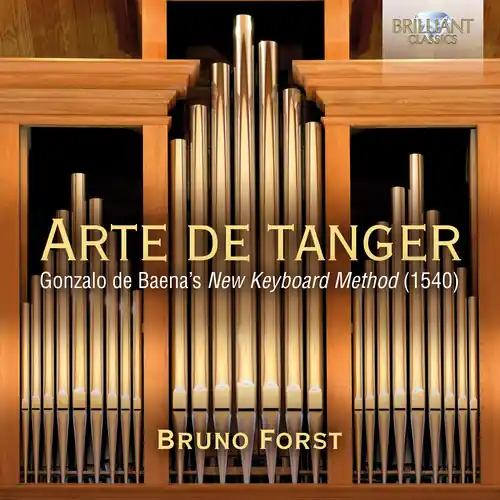
Free Returns Arte de Tanger
Original price was: $17.99.$8.99Current price is: $8.99.

For orders under $59.00, a shipping fee of $12.99 applies.
DISC: 1
| 1. In Diebus Illis |
| 2. Two Verses Of A Magnificat |
| 3. Pange Lingua |
| 4. Congratulamini Mihi Omnes |
| 5. Kyrie Eleison De Nuestra Señora |
| 6. Unica Est Columba Mea |
| 7. Kyrie Eleison 4º Tono |
| 8. Kyrie Eleison 8º Tono |
| 9. Conditor Alme Siderum |
| 10. Clamabat Autem Mulier Cananea |
| 11. No Title |
| 12. Patrem Omnipotentem |
| 13. Jesu Nostra Redemption |
| 14. Deposuit Potentes |
| 15. Si Dedero |
| 16. Ave Maris Stella |
| 17. Agnus Dei |
| 18. Kyrie Eleison |
| 19. Sanctus |
| 20. Pleni Sunt |
| 21. Kyrie Eleison 6º Tono |
| 22. Sanctus (2) |
| 23. Domine Deus |
| 24. 1º Tono |
| 25. Credo |
| 26. Et Iterum Venturus Est Cum Gloria |
| 27. Benedictus |
| 28. Pleni Sunt |
| 29. Agnus Dei |
| 30. Benedictus |
| 31. Sanctus |
| 32. Benedictus. Mass Fortuna Desperate |
| 33. Pleni Sunt (2) |
| 34. Si Sumpsero Penas Meas |
| 35. In Pace, In Idipsum Dormiam |
| 36. Si Dedero |
| 37. Gloria |
| 38. Agnus Dei (2) |
| 39. Sanctus |
| 40. Patrem Omipotentem |
| 41. Agnus Dei |
| 42. Mater Patris |
| 43. Agnus Dei |
| 44. Hélas Que Pourra Devenir |
| 45. Motete Del Ciego |
Powered by Broadtime Tuneportals
More Info:
Gonzalo de Baena’s Arte novamente inventada pera aprender a tager (Newly devised method for learning to play) was the first book of keyboard music ever printed on the Iberian Peninsula. Lost for centuries, it was rediscovered in 1992, and early music keyboardist Bruno Forst has since painstakingly decoded it’s unique tablature system and edited a modern edition, published in 2012. Baena compiled mostly polyphonic vocal music by various composers, from the old Flemish Masters he himself studied, to contemporaries thriving alongside him in the rich musical environment of Spain under the Catholic Monarchs, along with pieces of his own and several by his son, Antonio. To disseminate this music in arrangements for keyboardists, professional or amateur, Baena transcribed them in an easy to read tablature notation and ordered the pieces in increasing level of difficulty. While his collection, printed in 1540, was pedagogical in intent, Baena nevertheless left a valuable historic document to posterity, creating a faithful depiction of the place and time that gave birth to later masters such as Antonio de Cabezon.
Related products
-
Sale!
Fast Shipping Essential
Original price was: $9.97.$4.99Current price is: $4.99. Add to cart -
Sale!
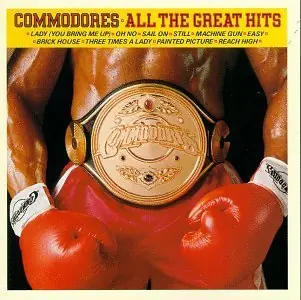
Flash Sale All The Great Hits
Original price was: $11.97.$5.99Current price is: $5.99. Add to cart -
Sale!
Phenobarb Bambalam Affordable
Original price was: $15.97.$7.99Current price is: $7.99. Add to cart -
Sale!

Still In Hollywood Secure Checkout
Original price was: $15.97.$7.99Current price is: $7.99. Add to cart